


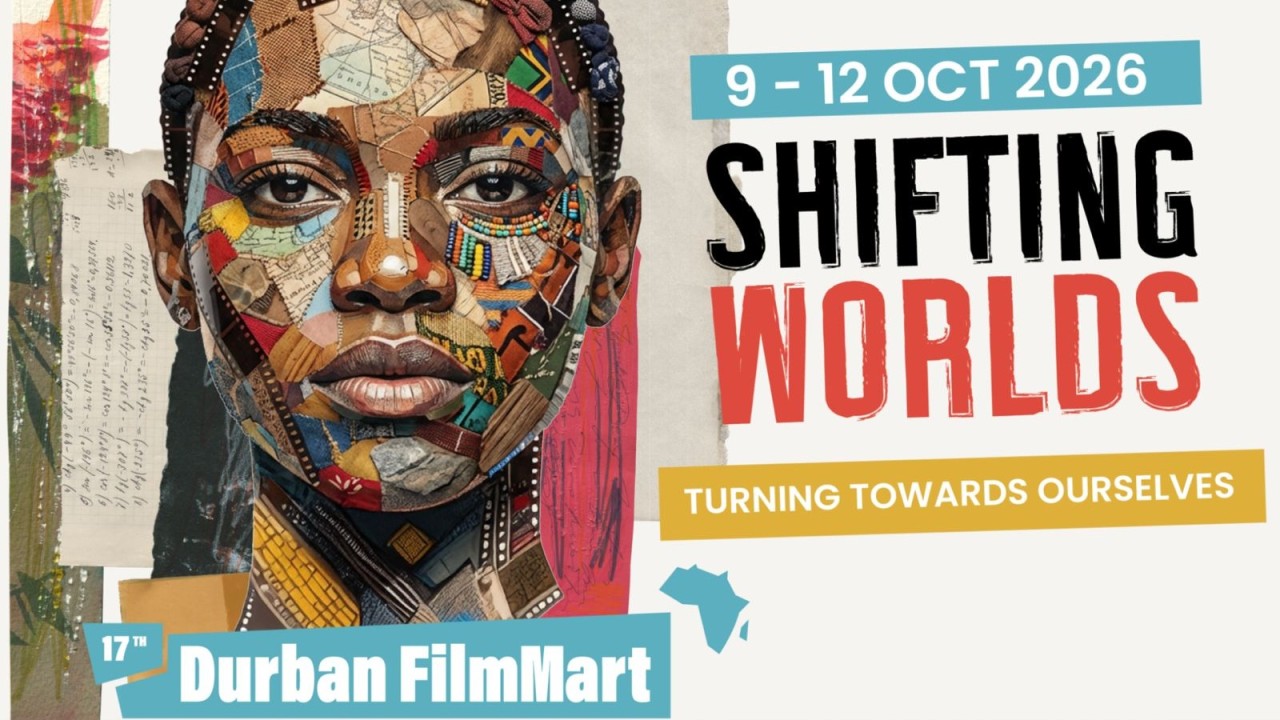

The Durban FilmMart SA just moved. Its 17th edition, originally set for July, is now scheduled for October 9–12, 2026. The reasons are straightforward: funding shortfalls, a contracting global arts economy, and shifts in key partnerships that made the original timeline impossible to hold. These conditions are shared and bind all arts organizations working across the African ecosystem today in these dark times.
But dark times are also a seedbed for radical possibility. Protecting the space for the unexpected may also be what is needed to see the market anew.
Most film markets are built for scale. The logic is simple: more deals, more buyers, more volume. Measure the market by how many projects moved, how many international co-productions were signed, how many eyes from the North turned southward long enough to write a check. That logic has its uses. It also has its distortions.
Durban is a different kind of market. Not because it lacks ambition, but because its ambition is pointed differently. The question DFM keeps asking, year after year, is not “how do we get more access to the global system?” It is “how do we build a system that works for us?”
That question is the product. The gathering is the infrastructure.
When Pan-African storytellers sit in a room together in Durban, producers from Cameroon, directors from Zimbabwe, writers from Nigeria, animators from South Africa, the work is not only to pitch to the funders in the room. It is to see each other as potential funders, collaborators, and decision-makers. To consider what it looks like to green-light each other. That is a different kind of transaction. It does not show up easily in deal memos or acquisition announcements. But it is what makes markets like DFM irreplaceable.
At the Realness Institute, we have watched what happens to writers and producers who pass through a space that holds them that way. Something settles. The instinct shifts from “how do I make myself legible to the North?” to “what do I want to make, and who on this continent wants to make it with me?” That shift is not cosmetic. It changes what projects get developed, what risks get taken, what stories get told.
This is what we mean when we talk about re-ordering value. Not rejecting international markets, but refusing to organize the entire ecosystem around them. Depth over scale. Root systems over surface reach.
The funding pressures that pushed DFM’s dates are real, and they are not unique to Durban. Across the continent, the organizations doing the slowest, most essential work, building relationships, developing early-stage projects, training the next generation of producers, are also the most financially exposed. The work that takes longest to show up in a headline is the work that sustains everything else.
That is what grows in the dark.
Originally published in our LinkedIn industry newsletter Keeping It Real


Comments +